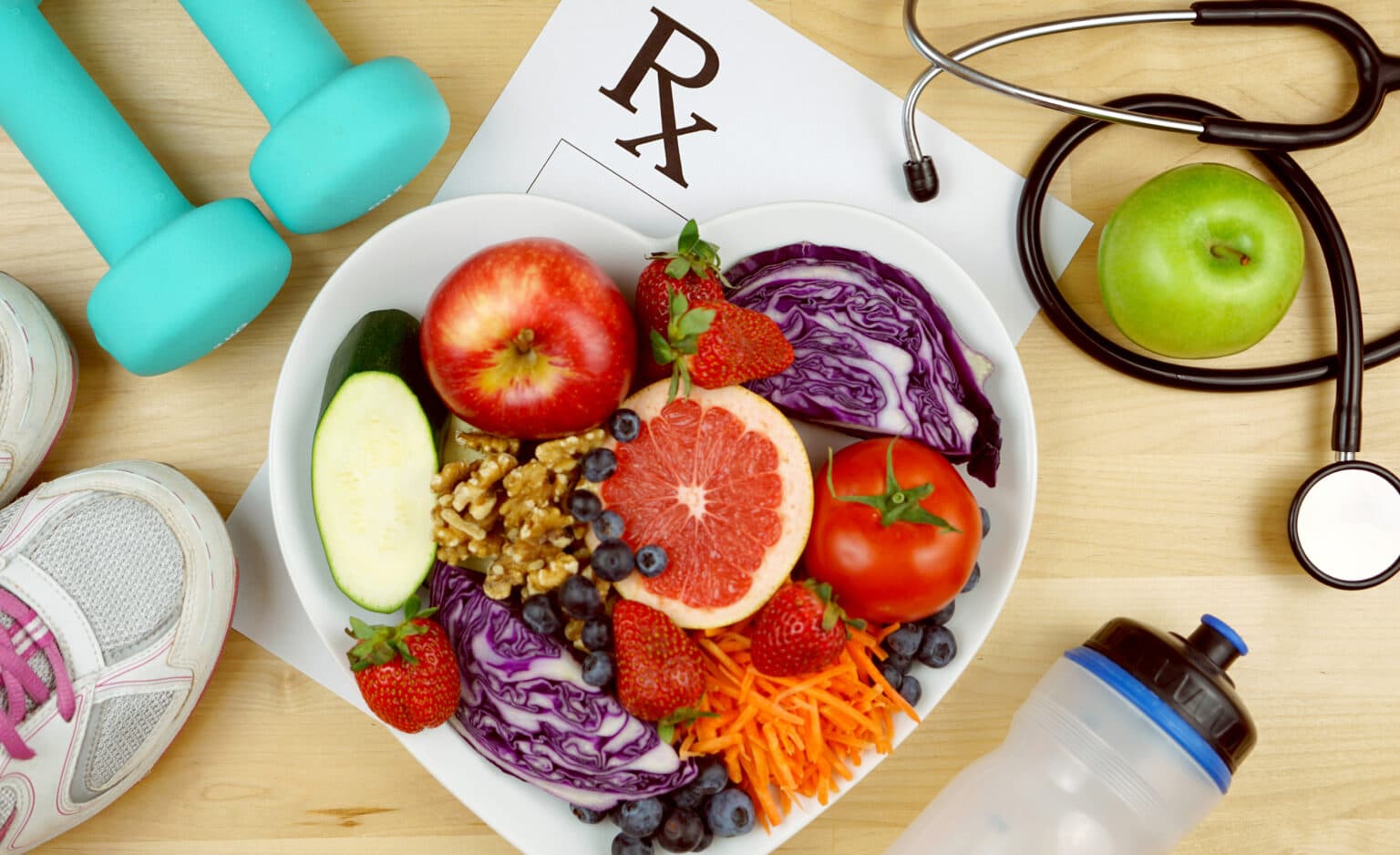
Let's get real for a second. Taking your meds is important. But if that's ALL you're doing? You're leaving a lot on the table.
What you eat and how you move aren't just nice extras. They're game-changers. They work WITH your treatments to help you feel better, have more energy, and actually enjoy your life.
Here's how it actually works—and how to make it fit your real life.
Why This Stuff Actually Matters
Your Meds Work Better
A balanced diet helps your body process medications the way it's supposed to. If you're managing blood sugar, for example, eating well keeps things stable so your meds can do their job.
Exercise? It boosts your heart health, helps with weight, and lifts your mood. That means better results from treatments for blood pressure, heart issues, and even depression.
You Might Need Less Medication Over Time
When you move regularly and eat well, things like blood pressure and cholesterol can improve on their own. That might mean lower doses or fewer pills down the road.
Weight loss through better eating can also reduce your risk for chronic conditions—which means less medication overall.
Side Effects Get Easier
Feeling nauseous from a med? Eating fiber-rich foods and staying hydrated can help calm your stomach.
Dealing with fatigue or joint pain? Regular movement actually helps with that—even when it feels like the last thing you want to do.
You Feel More in Control
When you're actively doing something for your health, you feel more empowered. That confidence spills over into everything—including sticking with your treatment plan.
Long-Term, Everything Gets Better
Nutrition and exercise address the root causes, not just the symptoms. That means better quality of life, fewer complications, and less need for additional meds over time.
How to Actually Do This (Without Losing Your Mind)
Start Small—Seriously
Don't overhaul everything at once. Add a vegetable to dinner. Walk for 20 minutes. That's it. Small wins build momentum.
Make It a Routine
Consistency beats perfection. Prep some meals on Sunday. Exercise at the same time each day. When it's automatic, it's easier.
Make It Yours
Hate running? Don't run. Try yoga, swimming, dancing—whatever you actually enjoy. Same with food: find healthy options that taste good TO YOU.
Use Tools That Help
Track your meals, movement, and how you're feeling with LUCI. Seeing your progress motivates you to keep going. And it gives you real data to share with your care team.
Talk to Your Doctor
Let them know what you're doing. They can tailor recommendations, monitor your progress, and maybe even connect you with a dietitian or trainer.
Give Yourself Grace
Missed a workout? Had a not-so-healthy meal? It happens. Don't spiral. Just get back on track tomorrow.
How to Stay Motivated (Because Let's Be Honest, It's Hard)
Remember Your Why
Why are you doing this? More energy for your kids? Less dependence on meds? Feeling like yourself again? Keep that front and center.
Celebrate the Small Stuff
Made it through a week of walks? That's worth celebrating. Acknowledge your wins—they add up.
Get Support
Tell a friend or family member what you're working on. Even better—do it together. Accountability makes everything easier.
Keep It Fun
Try new recipes. Take a dance class. Go for a hike somewhere beautiful. When it doesn't feel like a chore, you'll actually want to do it.
Picture Where You're Headed
Visualize yourself feeling strong, energetic, and healthy. That image can pull you forward on the hard days.
The Bottom Line
Nutrition and exercise aren't optional extras. They're essential pieces of the puzzle.
You don't have to be perfect. You just have to start—and keep going.
With small steps, consistency, and tools like LUCI to track your progress, you can build a healthier life that works WITH your treatment, not against it.
Because you deserve to feel good. Not just okay—actually good.